Book Banning
From the archive
Book Banning is an unfortunate reaction to free speech that has been practiced in the United States since 1637 in Quincy, Massachusetts. Of course, book banning has occurred well before this as early as 1560 when the conquistadors burned Mayan and Aztec manuscripts when conquering North America. In fact, Book banning is a more tame response than book burning which was something that was also practiced way back in 213 BCE.
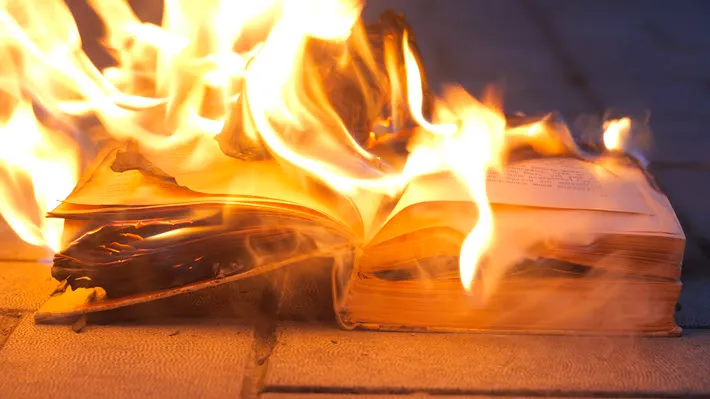
These practices have been a general response to information that is usually disliked or when there is history that wants to be changed. The first recordedBook Burning in China, ordered by the first emperor, Qin Shi Huang, was imposed because the emperor wanted history to begin with him, even though this was not even nearly true. Huang took it a step further and ordered his men to bury any scholars who attempted to disagree with this narrative that he wanted to paint, aggressively censoring (or murdering) anyone who got in his way.
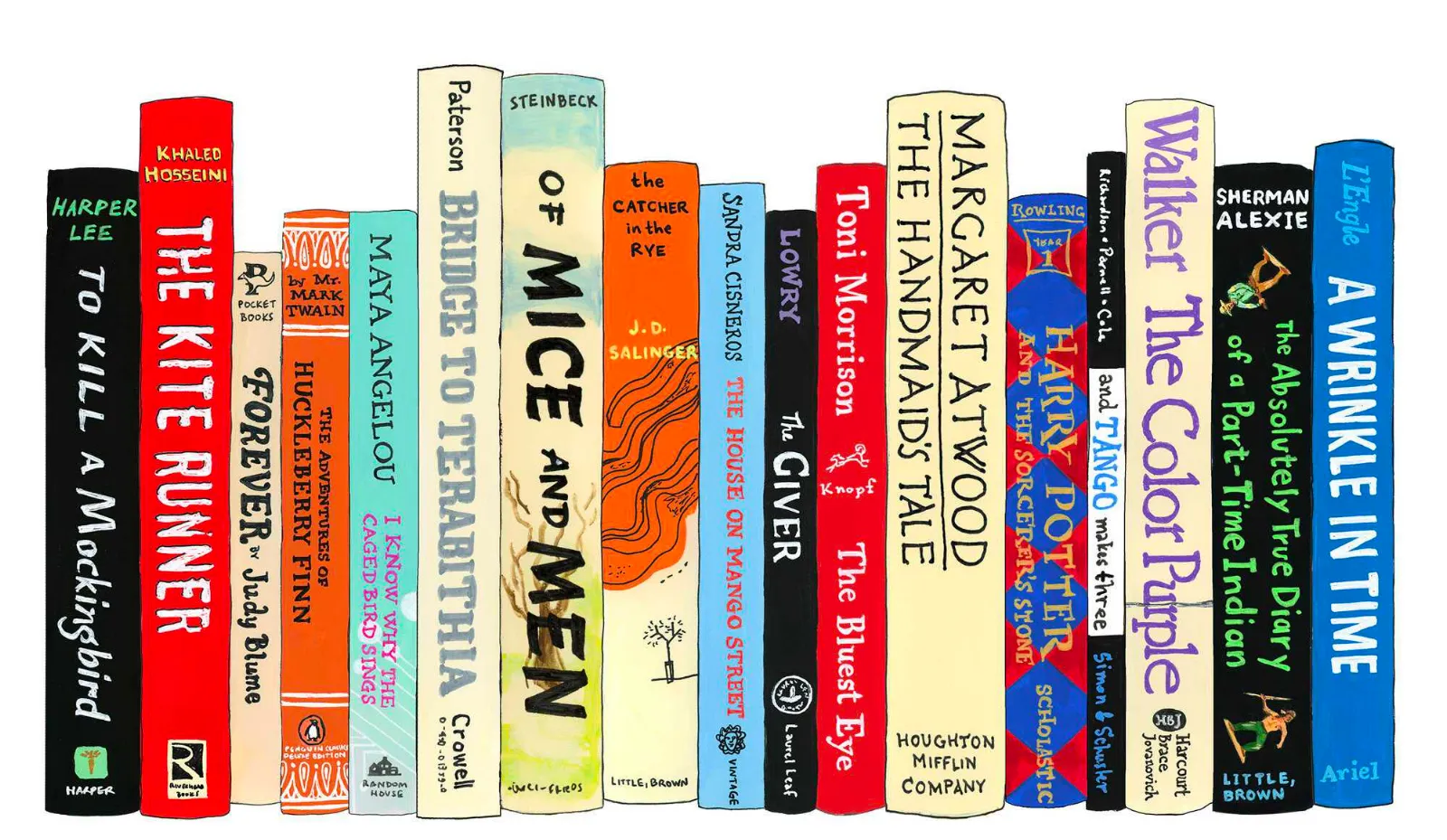
Banning and Burning books is something that will never cease, even in 2023 each state is fighting for censorship in schools banning various reading materials from 1984 by George Orwell to To Kill a Mockingjay by Harper Lee.
This issue, however, is beyond books. This issue is about censorship and the inability of people to go beyond their comfort levels. Ignorance breeds more ignorance and that is exactly what will happen if this outrage propaganda continues. Although this issue is heavily divided the pro-banning seems to have been able to gang together to create enough outrage and tug on parent’s emotions and attack anyone who disagrees with them, check out the video below to see how angry and outrageous some of these parents get.
Fortunately, the United States government has the ability to control state by state what books get banned in school, but school boards are bypassing the proper protocols and paperwork to ban books and just banning them due to the amount of screaming parents that are willing to have their children miss out on literature because of their fear of knowing the unknown.
The language that is often used to convince others that book banning is appropriate is often exaggerated and shows signs of obvious propaganda and misleading implications that these books will negatively affect children, these book-banning advocates create a sense of urgency and fear in their language leaning into outrage culture when arguing their case against certain books. Although it is agreeable that not every book is appropriate for every age, the banning of books is a form of censorship and hindrance of information. In fact, parents should hold the responsibility of determining what their children can and cannot read. It is not the general public or the government’s responsibility whether a parent wants to keep information hidden from their children or not. Should 50 shades of gray be in the Middle School library? No. But Captain Underpants? That is the most Middle School book to ever exist.
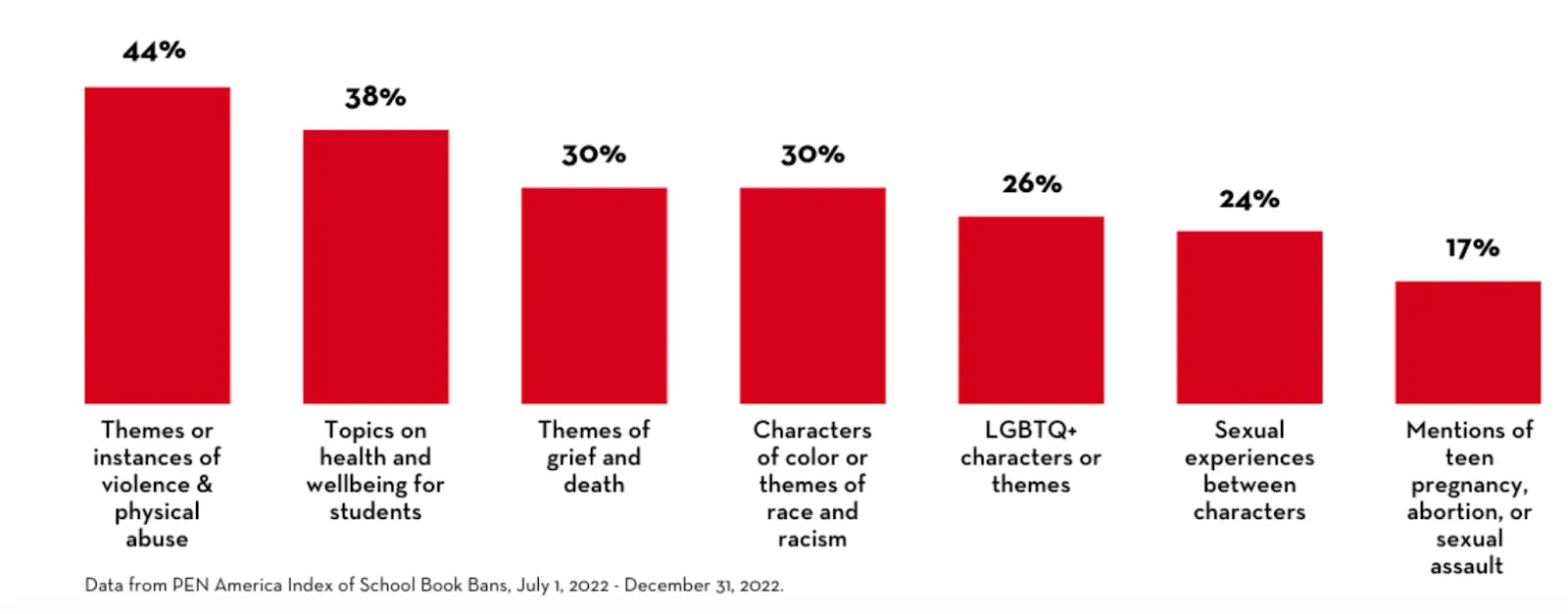
This sort of censorship has an effect on society as it influences what we learn. By not letting knowledge be readily available we are censoring society to only have information on certain topics, viewpoints, and ideas. The possibilities of hindering free thought and radical ideas are boundless when it comes to book banning, some states currently have books about racism and reproductive health banned. How are they to be surprised when racism continues to run rampant? Or when unexpected teen pregnancies happen? The banning of information and censorship of free thought is not helping anyone. It hurts everyone to keep information hidden. There is not one person it helps except those fearful of knowledge and differing opinions. This is not an issue of the past, it is an issue we continue to fight every day.