
Personal Privacy & Online Security

From the archive
The most important part of online security is yourself.
Although we all think we are aware and can figure out if we’re being scammed or not this isn’t always the case.
We have become complacent with our security as a society. We all think we know better, but this isn’t always the case.
It seems it has become “bad” to be skeptical but being skeptical and cautious is what keeps us safe.
We all want to be “chill” but at the cost of our security?
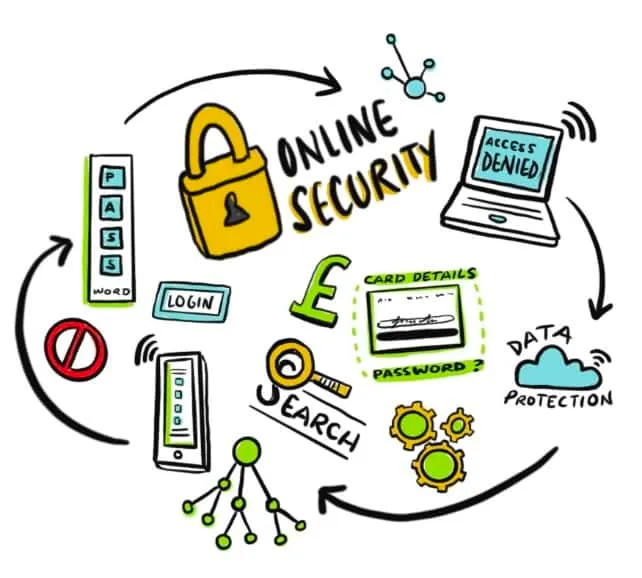
Online security is more than installing an Ad Blocker.
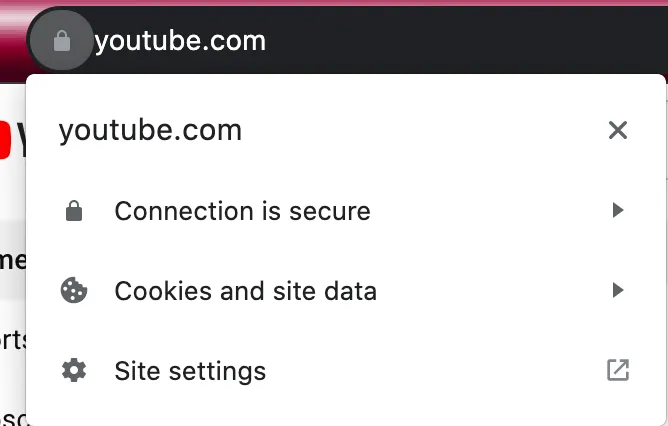
It’s being sure you’re using a secured site, whatever site it may be because phishing scams are ever prevalent.
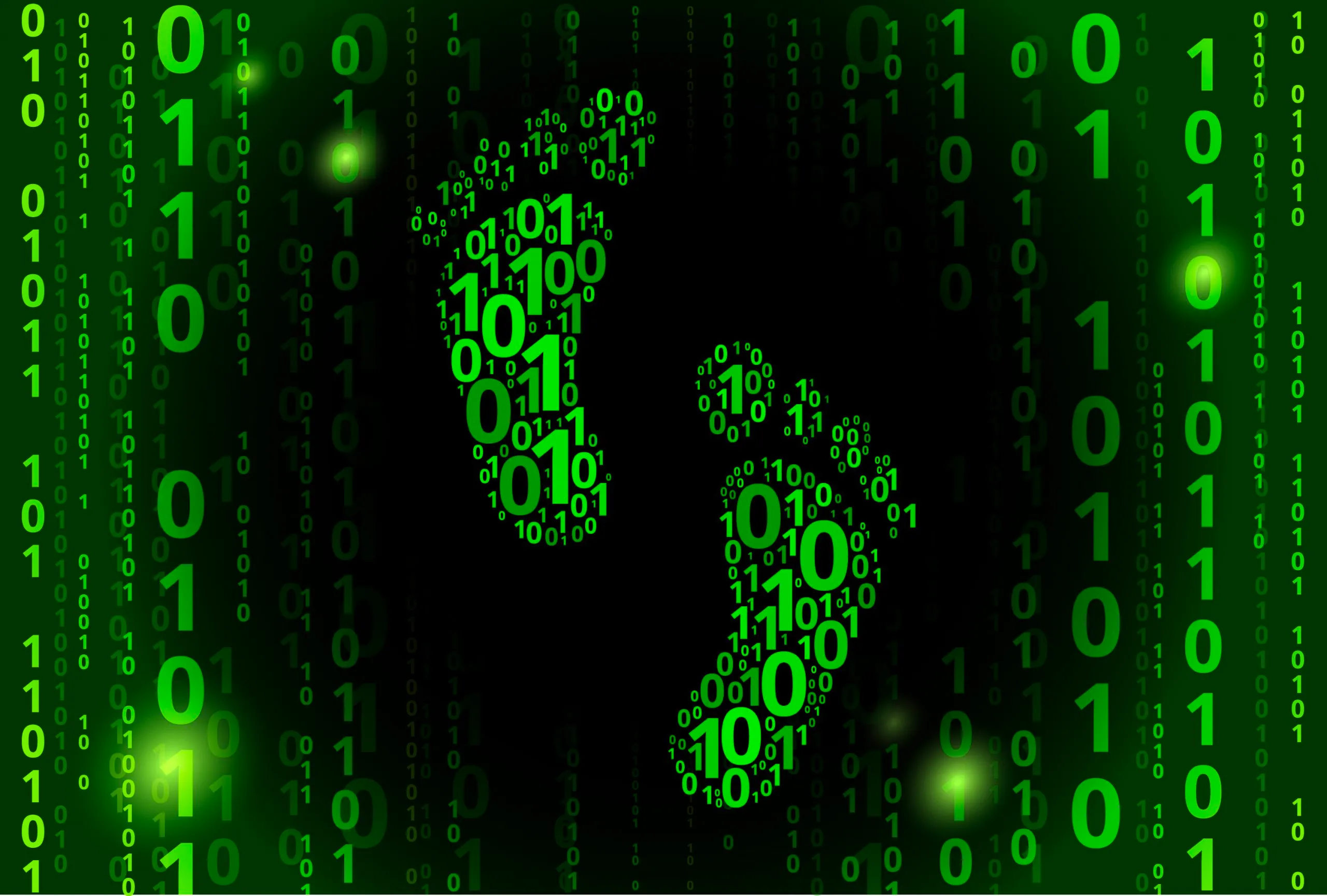
We leave a digital footprint. Much like our footprint hackers can figure out where we’ve been and where we are going and ultimately who we are.
Our online presence is more than just a playground, but it is a public display of who we are to complete strangers.
A hacker can see what High School we’ve been through on facebook…our pets name on twitter…that we are engaged on instagram…they can use these bits of information to paint a picture of who we are, to profile us. They can use this information to sneak into our lives and use it against us.
There are many things we can do to secure our information.
Beyond just being careful what we put online. We can use two-factor authentication, VPNS, turning off “save passwords” on sites and various other techniques PCmag covers diligently.
In the following video we learn from Jason Clark, a software engineer at Carnegie Mellon University, how profiling and online tracking can cause real-life problems such as in the case of Sarah Palin’s Email hack, where a man guessed her password correctly on her security questions based on her online and celebrity presence.
Being overly aware online can do anything but hurt us, in this age we are so used to just clicking around without fear but we must be careful what we are clicking, who we are talking to, and what we invite into our digital homes. We must stay diligent and cautious. Unfortunately, the worst thing that can happen isn’t Nev from CatFished knocking on our door to tell us our High School friend isn’t actually messaging us on Facebook, but that ouridentity has been compromised because we believed that “friend” about a free money grant. The world is a scary place, but so is the internet.
Just how you’d lock your front and back door and make sure your blinds are closed be sure you’re doing that online as well. You never know who’s watching hoping to catch you when you’re vulnerable.